
Vehicle Loop Detectors & Preformed Loops
Discover the power of our Loop Detectors and pre-made loops, designed to enhance your traffic management, parking solutions and access control systems. Ideal for controlling automatic gates and door operations, this detection system improves safety and reliability, making it the perfect choice for modern automation applications.
Detectors
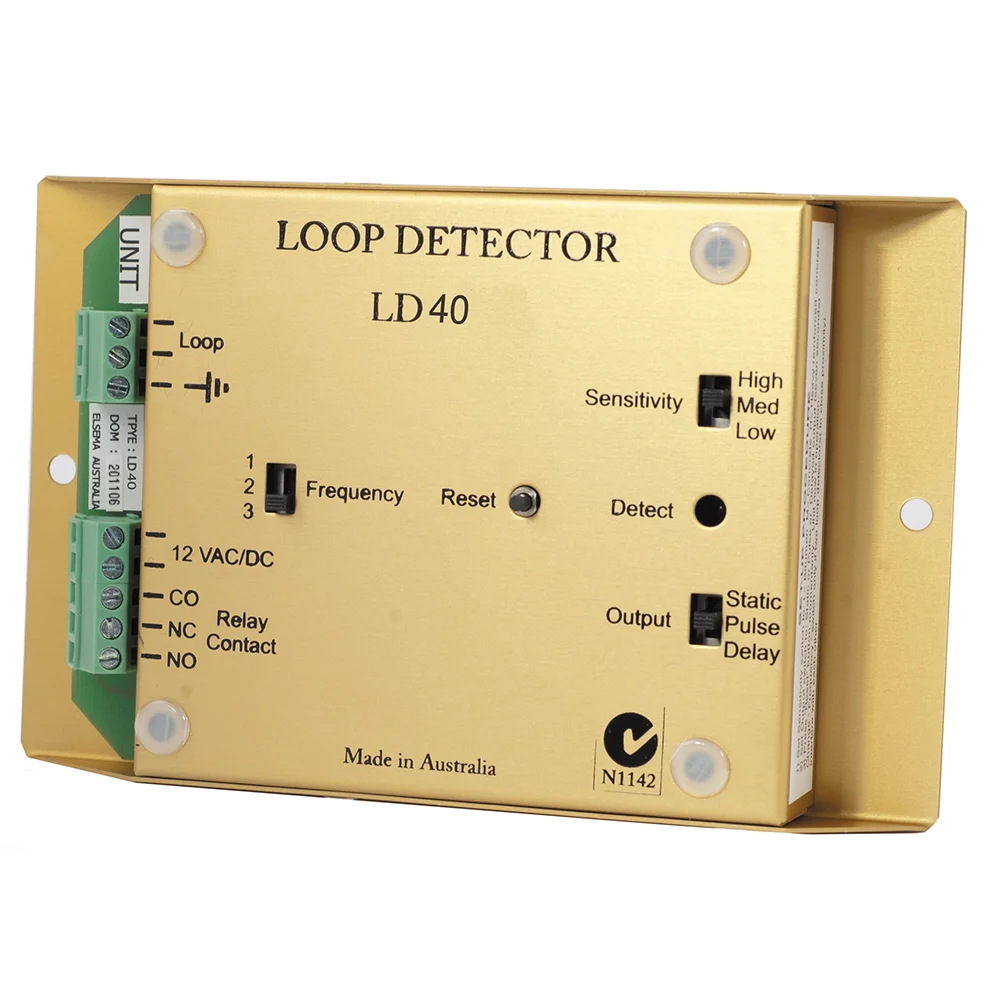

MD2010
- Supply : 12 – 24 Volts AC/DC
- Sensitivity : Medium
- Output : Voltage free relay output
Preformed Loops

Loop Selection Table
Can’t decide on the loop size? Have a look at our loop selection table. We have done the research on loop sizes and driveway width.
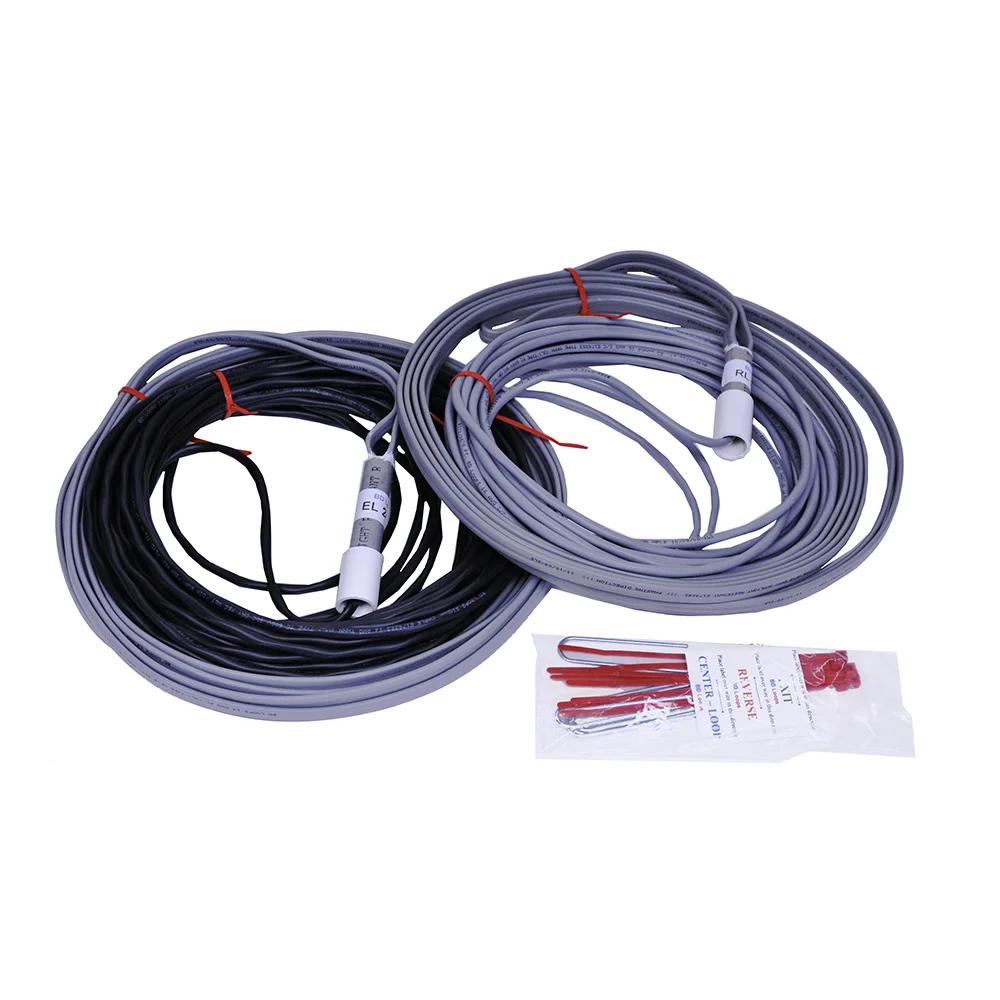
Direct Burial Loops
Direct burial loops are durable, pre-formed detection loops designed for installation before the driveway is constructed.

Saw Cut Loops
Saw cut loops are preformed loops designed to be installed by cutting a rectangle into an existing driveway.

Installation Tools
These tools make your loop installations easy, saves time and gives error free operation. Use the correct tools to avoid call backs.
Vehicle Loop Detectors for Automatic Gates and Roller Doors
Vehicle loop detectors and preformed loops play a crucial role in ensuring efficient and reliable vehicle detection for automatic gate systems, barriers and traffic control. These systems consist of two main components: the in-ground loop, which vehicles pass over and the detector, which processes the signal generated by the loop. Together, they work to open gates and barriers only when a vehicle is detected, improving both safety and convenience.
Preformed loops, which create a magnetic field to detect metal objects, come in two types: saw cut preformed loops and direct burial preformed loops. Each option serves different installation needs, making it easy to adapt to various scenarios.
For existing driveways, saw cut preformed loops provide an ideal solution. The process involves cutting a rectangle into the driveway, placing the loop inside and sealing the cut afterward. This straightforward method ensures long lasting performance while minimizing disruptions, making it a great choice for retrofitting.
On the other hand, direct burial preformed loops are perfect for new construction projects. In this case, you place the loop directly on the ground and then the driveway or road is built on top. This method allows for seamless integration into the overall structure, reducing potential complications during installation.
By using either saw cut or direct burial loops with a reliable detector, you can easily enhance vehicle detection in parking lots, gated communities and industrial facilities. This setup ensures that your automatic gate system operates smoothly, offering reliable, error free performance that enhances safety and convenience for all users.
Enhance your property’s security and convenience with automatic gates. Learn more about different gate types, features and safety in this detailed article.
Elsema: Frequently Asked Questions
What is the primary function of an Elsema loop detector?
A loop detector is an electronic sensor used to detect the presence of metal objects, specifically vehicles, over a wire loop buried in the ground. It is commonly used to automatically open a gate when a car approaches (exit loop) or to prevent a gate from closing while a vehicle is still in the way (safety loop).
How does the induction loop technology work?
The detector is connected to a loop of insulated wire buried in the driveway. This loop acts as an inductor. When a large metal object, such as a vehicle, passes over the loop, it changes the inductance, which the detector senses and then triggers a relay output to the gate controller.
What is the difference between the LD40 and the MD2010 detectors?
The primary difference lies in their sensitivity levels. The LD40 is a high-sensitivity vehicle loop detector designed for precise detection, while the MD2010 is a medium-sensitivity detector. Both are engineered to provide reliable voltage-free relay outputs for gate and barrier control.
Where are these vehicle loop detectors typically used?
They are ideal for a wide range of automation applications, including:
- Gated Communities: To automate exit gates.
- Parking Lots: For ticket dispensers and barrier control.
- Industrial Facilities: To manage heavy vehicle traffic and high-speed roller doors.
What is a Saw Cut preformed loop?
A saw cut loop is a pre-made wire loop designed for existing driveways. Installation involves cutting a rectangular slot into the pavement, placing the preformed loop inside, and sealing it. This method is ideal for retrofitting vehicle detection into completed surfaces.
What is a Direct Burial preformed loop?
Direct burial loops are heavy-duty loops intended for new construction. They are laid on the ground surface (such as crushed rock or mesh) before the driveway material—like concrete or asphalt—is poured over them. This ensures the sensor is seamlessly integrated into the road structure.
How do I choose the correct loop size for my driveway?
Elsema provides a Loop Selection Table that correlates loop dimensions with driveway width. Choosing the correct size is essential to ensure the magnetic field covers the necessary area to detect vehicles without being triggered by traffic in adjacent lanes.
Are there specialised tools for installing the loops?
Yes, Elsema offers specific installation tools designed to simplify the process, save time, and ensure error-free operation. Using the correct tools helps prevent wire damage during installation, which reduces future maintenance calls.
How deep should the wire loop be buried?
For optimal performance and protection of the wire, the loop should typically be buried in a saw-cut slot approximately 30mm to 50mm deep. The slot is then sealed with a specialised cold-pour or bitumen-based sealant to protect the wire from moisture and traffic wear.
Can loop detectors be used for safety as well as opening?
Yes. When configured as a Safety Loop, the detector will prevent the gate from closing if a vehicle is standing over the wire. This is often used in conjunction with photoelectric beams to provide a comprehensive dual-layer safety system for commercial and industrial sites.